
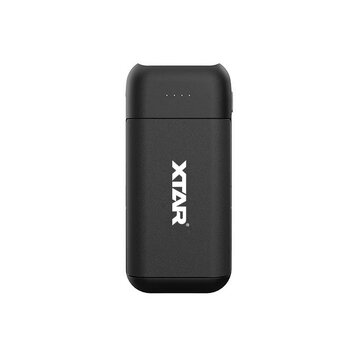


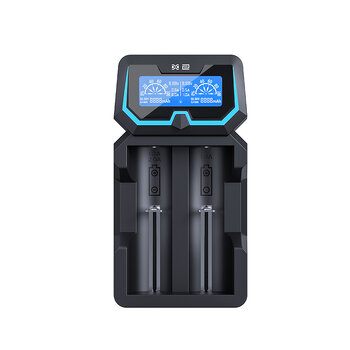
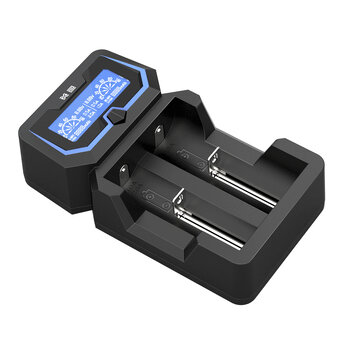
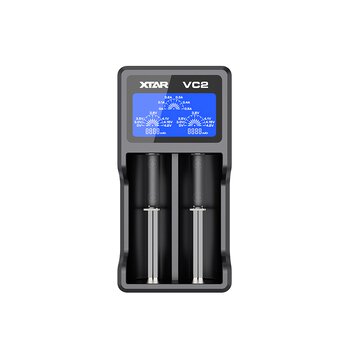
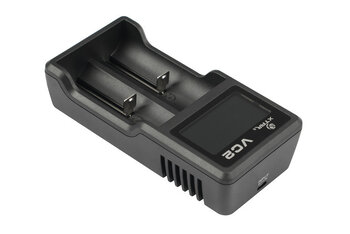
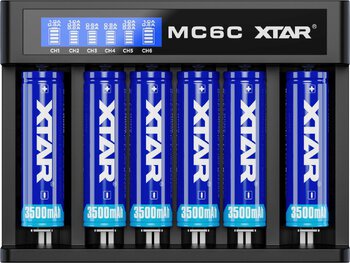

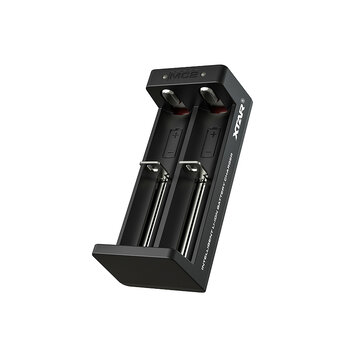
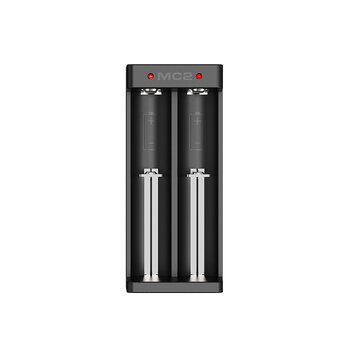
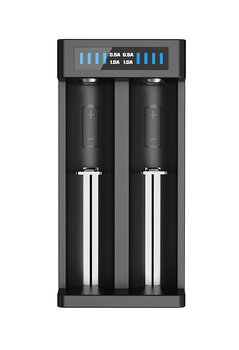
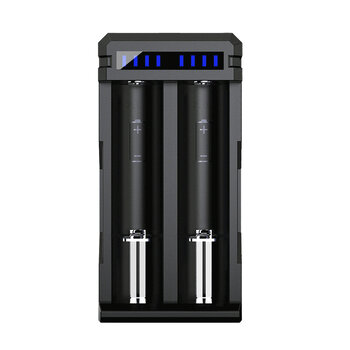
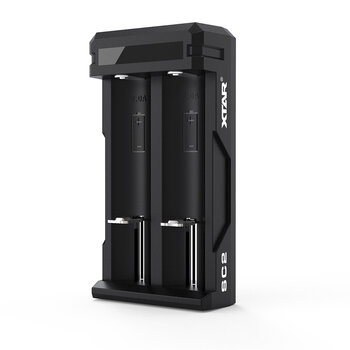
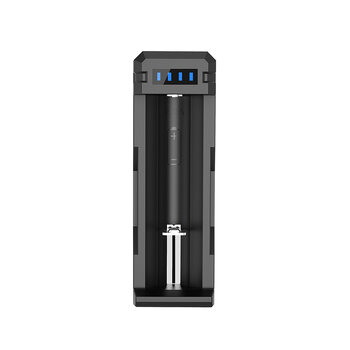
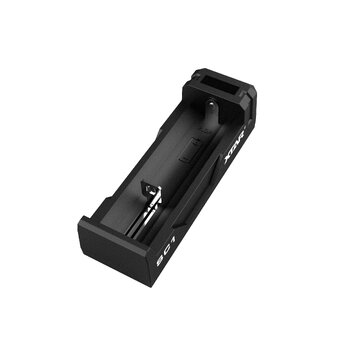
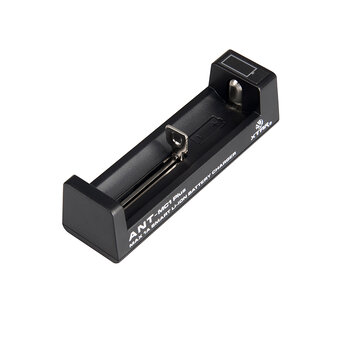
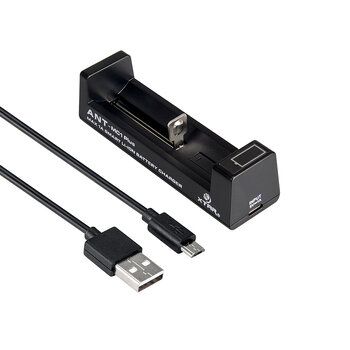
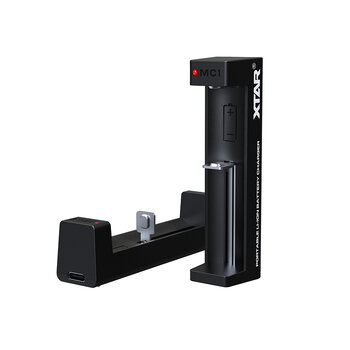
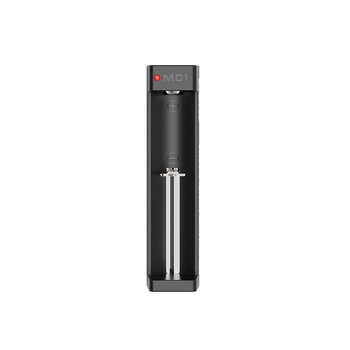
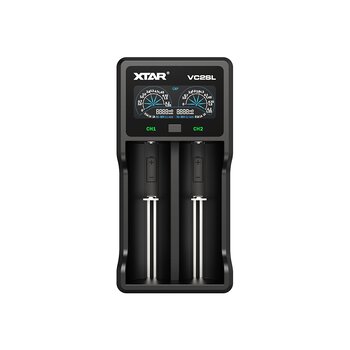
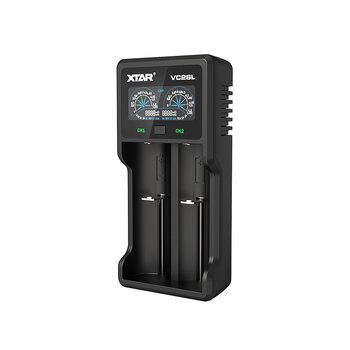
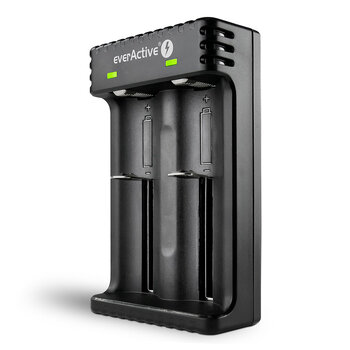
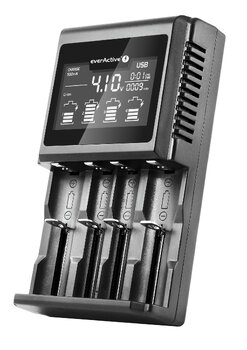
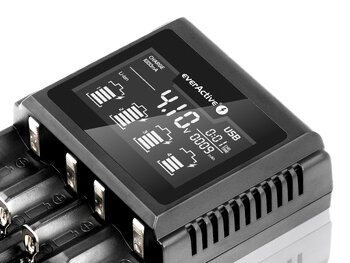
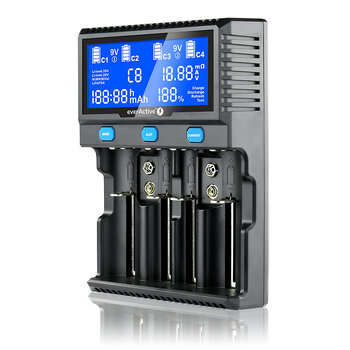
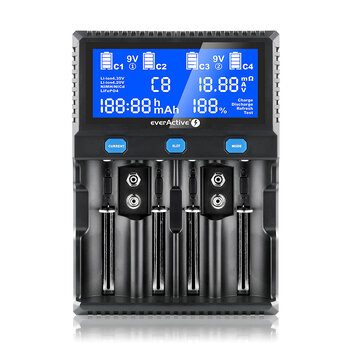
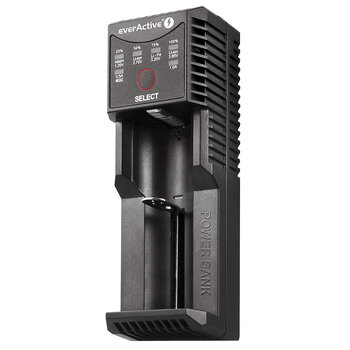
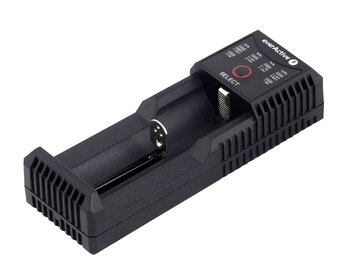
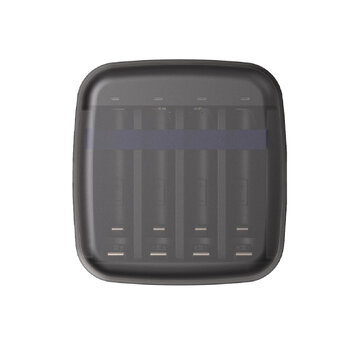
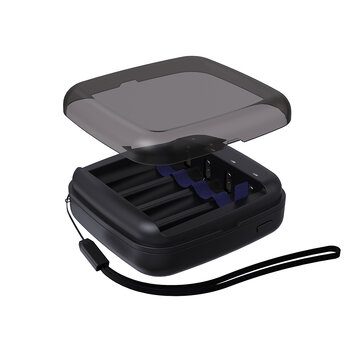
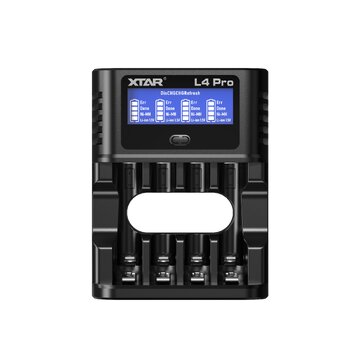


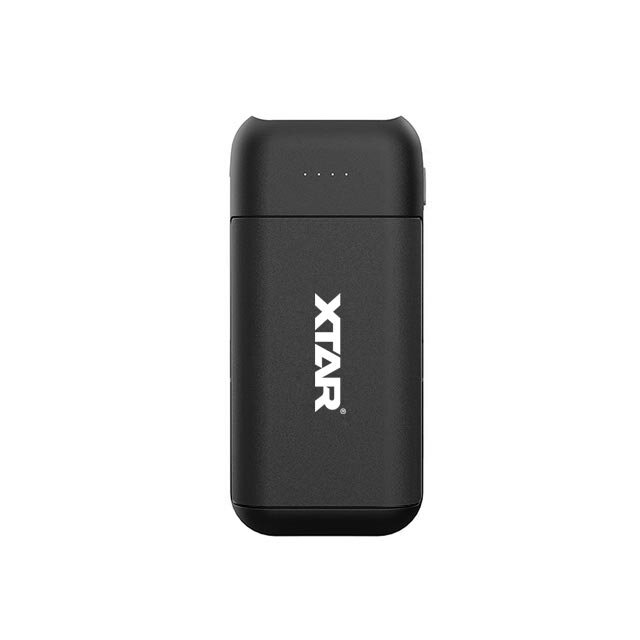


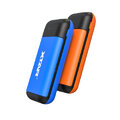


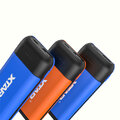
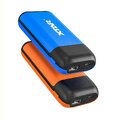



Professional, compact processor charger / power bank
Xtar PB2C
for Li-ion batteries in 18650 size (also protected)

Main features
- microprocessor controlled three-stage charging process TC/CC/CV
- automatically selected charging current 2x 1A / 1X 2A
- two independent charging channels + built-in balancer
- powered by any USB charger or from a computer USB port (min. 0.5A)
- compact size - easy to carry
- magnetic cover for the charging compartment
- deeply discharged cell reactivation function
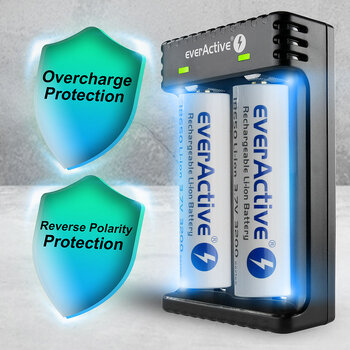
- protections: short circuit, thermal, reverse polarity
What is the TC/CC/CV charging method? It is a three-stage charging process for Li-ion cells that ensures the cell is maintained in good condition by charging with the appropriate current at each stage and completing the charging process at the right moment.
The individual stages of the TC/CC/CV process are:
- TC Phase: cells discharged below 2.9V are 'woken up' with a lower current.
- CC Phase: after reaching 2.9V, the cell is charged with a constant current of 1A (for two cells) or 2A (for one cell).
- CV Phase: when the cell is almost charged, the charger switches to charging with a decreasing current until the voltage of 4.2V is reached on the cell. After reaching 4.2V, the charging process is complete - the battery is fully charged.


Batteries with a voltage of 4.1V or higher are treated by the charger as charged. To charge such a battery to full, it should be placed in the charger before plugging it into the power supply. Charged batteries left in the charger will undergo a natural self-discharge process. Charging will resume when the voltage on the battery drops below 4.1V.
The Xtar PB2C charger has a reactivation function for deeply discharged cells and cells with a voltage of 0V. Many chargers on the market are unable to charge such batteries. Here, the Xtar PB2C charger comes to the rescue, which in many cases allows for the 'rescue' of such cells. Just insert the deeply discharged battery into the PB2C charger, just like with normal charging - the charger will detect the discharged cell and attempt to reactivate it.

Note! Cells discharged below a certain level may suffer irreversible damage, and their reactivation may be impossible. It is advisable to avoid overly deep discharging of Li-ion batteries - this can lead to a significant reduction in their durability and capacity or render them completely inoperative.
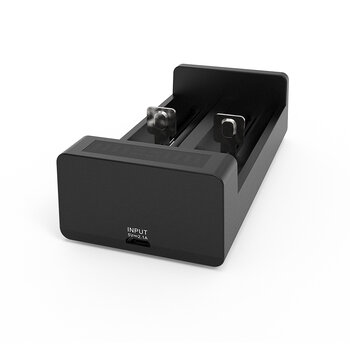
Included with the Xtar PB2C charger is a USB Type C cable. The power adapter is not included in the set. To power the charger, any charger with a USB Type C cable, e.g., from a phone, or a USB socket or a computer with a free USB port is sufficient. The recommended minimum power of the charger is 1A (1000mA). It is possible to use a charger with lower power, but in that case, the charging time will be extended.
- Li-ion batteries 3.6-3.7V, unprotected
- Li-ion batteries 3.6-3.7V, protected (with PCM/PCB)
- 5 V DC(Kabel USB-C w zestawie. Brak zasilacza w zestawie.)
- Processor-controlled TC/CC/CV for Li-ion
- 2x 1A / 1x 2A
- 4.2V ±0.05V
- Reactivation of deeply discharged cells and 0V cells
- Power bank function
- Before overheating the charger
- Before overload / short circuit
- Before reverse polarity of the cells
- Charging (Charge)
- PB2C Charger
- USB TYPE C - TYPE A Cable
- Li-ion batteries 3.6-3.7V, unprotected
- Li-ion batteries 3.6-3.7V, protected (with PCM/PCB)
- 5 V DC(Kabel USB-C w zestawie. Brak zasilacza w zestawie.)
- Processor-controlled TC/CC/CV for Li-ion
- 2x 1A / 1x 2A
- 4.2V ±0.05V
- Reactivation of deeply discharged cells and 0V cells
- Power bank function
- Before overheating the charger
- Before overload / short circuit
- Before reverse polarity of the cells
- Charging (Charge)
- PB2C Charger
- USB TYPE C - TYPE A Cable
5th Floor, No.77 Xinhe Rd, Shangmugu
518000 Shenzhen
Chiny
Email: info@xtar.cc
Telephone: (+86) 755-25507076
Geodetów 24
80-298 Gdańsk
Polska
Email: contact@baltrade.eu
Telephone: 58 552 20 20