
- Tips
- technology
- Frequently Asked Questions
- Tests
- mAh capacity
- Rated Capacity
- comparison
- everActive
- Batteries vs rechargeable batteries
- Accumulated energy
- Durability of rechargeable batteries
- Efficiency of rechargeable batteries
- battery voltage
- LR03 AAA
- LR6 AA
- eneloop
- AG13 LR1154 LR44
- CR 2032
- Delta V
- Charge Cycles
- internal resistance
- charge level
- memory effect
- accredited test
- SR44 357
- Hearing Batteries 675
- SR626 377
- Watch Batteries
- Polarity
- Mah
- passivation
- LS 14250
- LS 14500
What is the memory effect and does it apply to Ni-MH batteries?


Memory effect is characteristic of older Ni-Cd batteries. The result of this unwanted phenomenon was a reduction in the usable capacity of the battery.
When the battery was only partially discharged, it "remembered" the moment of recharging. During later use, it became increasingly difficult to utilize the capacity and energy remaining in the battery.
The memory effect does not directly apply to Ni-MH batteries, however, in their case, one can encounter a similar phenomenon known as the lazy battery effect.
Nickel-Cadmium (Ni-Cd) Batteries and Memory Effect.
An example Ni-Cd cell discharged regularly only to 25% "remembered" the moment (marked 'M' in the chart below) when the battery was disconnected and recharged. During later use, the battery remembered the moment of disconnection and, even when discharged to only 25%, showed signs of an empty cell (there was a noticeable drop in voltage). In practice, it was difficult to utilize the remaining 75% of capacity still in the battery.
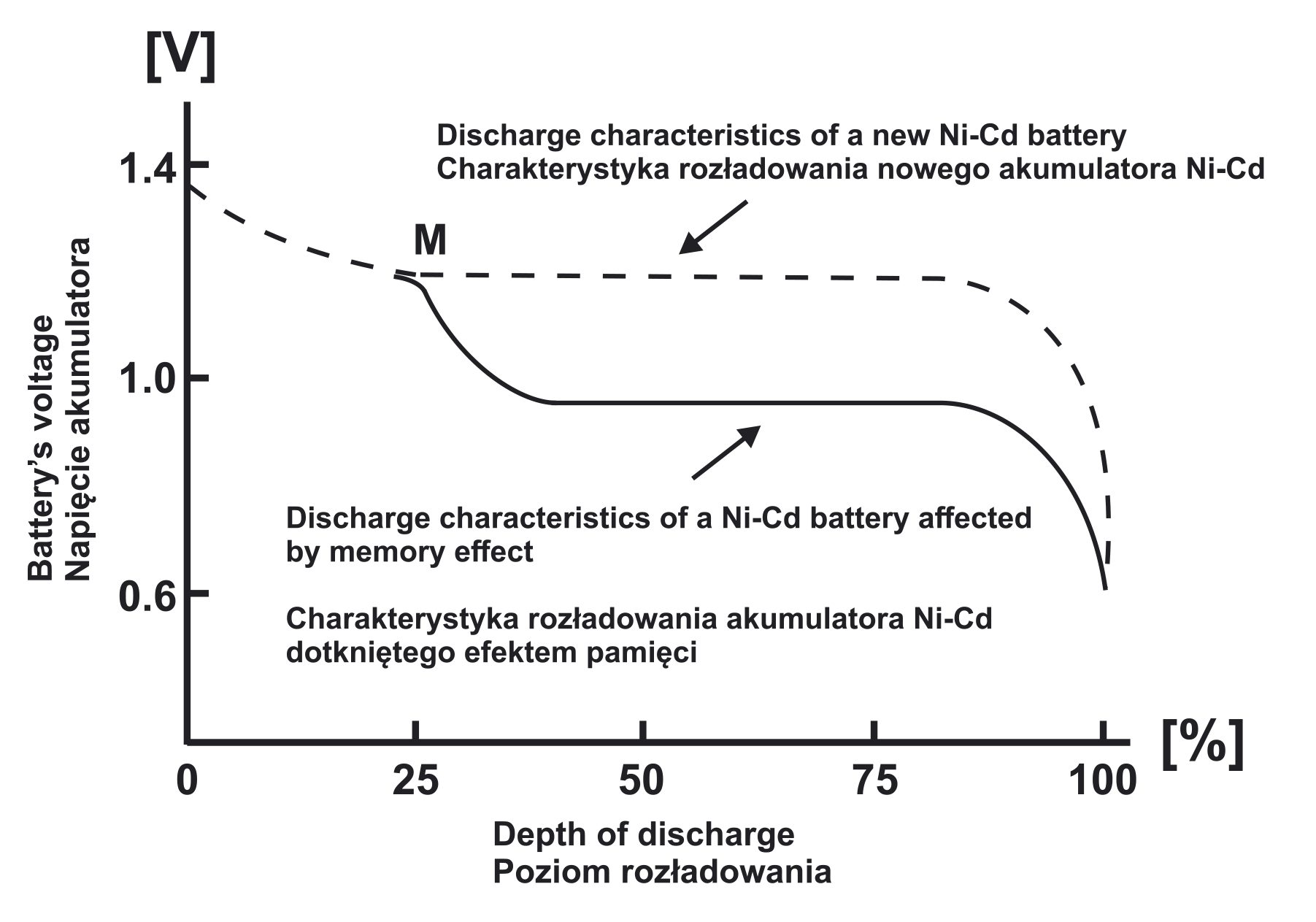 Fig.1 Discharge characteristics of Ni-Cd battery.
A preventive method for this unwanted phenomenon was an additional, forced discharge of such a battery to a voltage level of 0.9V, sometimes even lower. Many users recommended such a discharge before each battery charging.
Nickel-Metal Hydride (Ni-MH) Batteries and Lazy Battery Effect.
Ni-MH batteries are not as susceptible to the memory effect. In their case, there is sometimes talk of the lazy battery effect, which involves an apparent increase in the internal resistance of the battery and a decrease in its performance. The nature of this change is, however, much milder and does not have the same lasting character as in the case of Ni-Cd batteries.
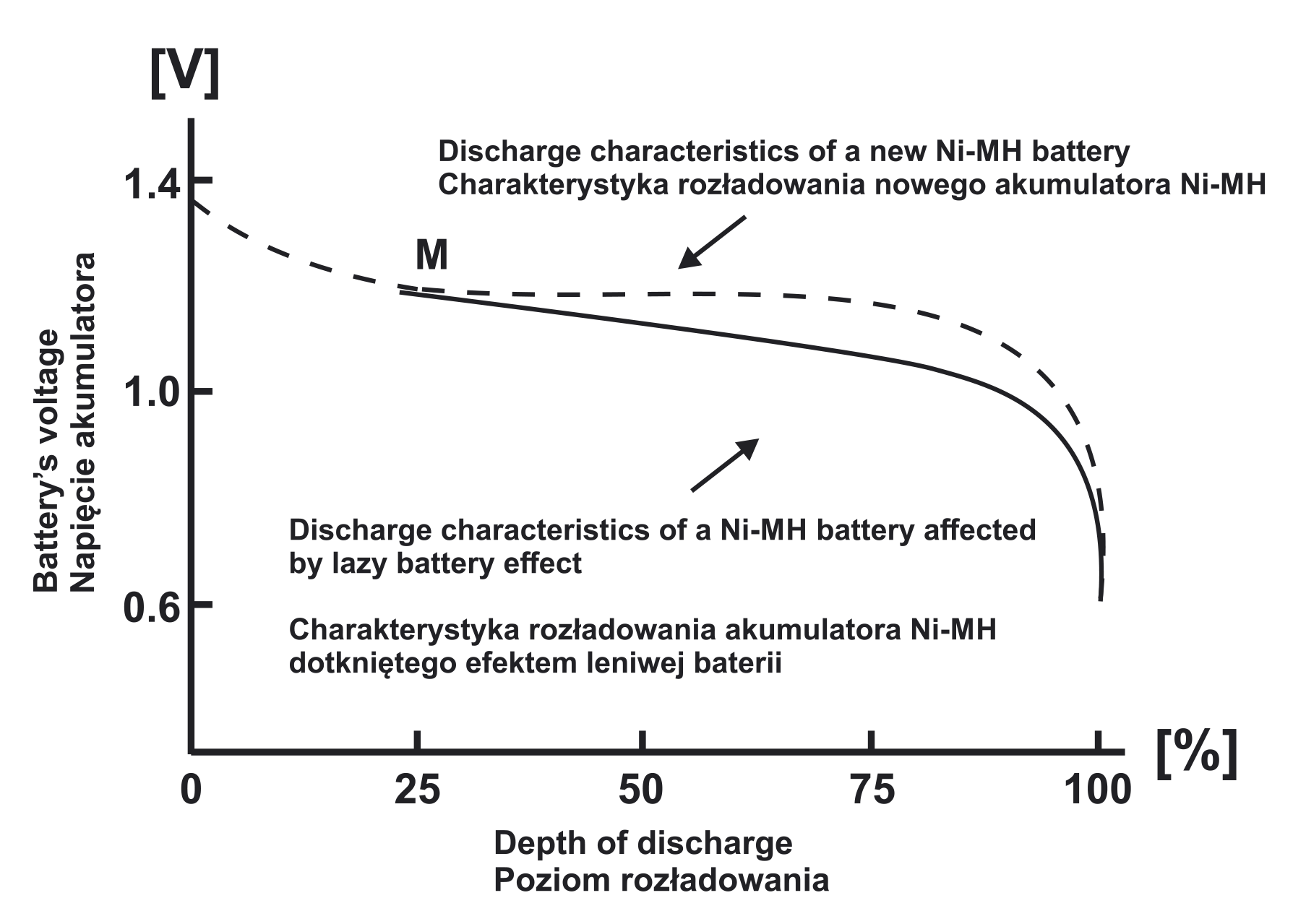 Fig.2 Discharge characteristics of Ni-MH battery.
A battery affected by the lazy battery effect remains useful in most applications. Additionally, this effect is not permanent, and even in the case of a heavily "lazy" cell, one can effectively get rid of this phenomenon by discharging the battery to a voltage level of about 0.9V-1.0V.
Unlike Ni-Cd cells, Ni-MH batteries are not recommended to be additionally discharged before each charging - I discussed this topic in more detail in another post.
Author: Michał Seredziński
Copying the content of the text or its parts without the consent of a representative of Baltrade sp. z o.o. is prohibited.