
- Tips
- technology
- Frequently Asked Questions
- Tests
- mAh capacity
- Rated Capacity
- comparison
- everActive
- Batteries vs rechargeable batteries
- Accumulated energy
- Durability of rechargeable batteries
- Efficiency of rechargeable batteries
- battery voltage
- LR03 AAA
- LR6 AA
- eneloop
- AG13 LR1154 LR44
- CR 2032
- Delta V
- Charge Cycles
- internal resistance
- charge level
- memory effect
- accredited test
- SR44 357
- Hearing Batteries 675
- SR626 377
- Watch Batteries
- Polarity
- Mah
- passivation
- LS 14250
- LS 14500
Have you been doing it wrong your whole life? - how to properly install batteries and rechargeable batteries?


Have you ever experienced that newly installed batteries or charged rechargeable batteries show no signs of life?
The compartment where the batteries were installed started to melt, or perhaps there was a battery leak in the power chamber of your device?
In this article, we explain what to pay attention to in order to avoid unpleasant situations that we often provoke ourselves, even unknowingly.
Power compartments of typical household devices, where we install popular batteries, usually look very similar. Regardless of whether they are alkaline batteries AA (also known as LR6) or AAA (LR03), corresponding Ni-MH rechargeable batteries, or Li-ion 18650 batteries, etc.
A typical battery compartment at the point of contact with the power source consists of a spring on the “minus” side and a slightly flatter contact on the “plus” side. Less often, it consists of two springs or two flat plates on both sides.
Depending on the device, such a compartment or basket can hold even 8 or more batteries, which will be quite tightly arranged.
In typical devices, we usually install two, three, or four batteries.
When installing any cells in such a power compartment, we often do it automatically, without due attention, which can even lead to damage to the entire device.
What should you pay attention to when inserting new batteries or rechargeable batteries into your device?
1. Always check, even twice, the polarity (+/-), to ensure that you are installing the battery according to the included instructions or the pictograms / markings on the device. If among several batteries connected in series, we poorly install just one of them, nothing bad will happen, except that the device will not turn on. However, if for some reason we install all cells in reverse (or even one, when the device requires a single battery), there is a possibility that we will cause permanent damage to our equipment.
2. When installing batteries or rechargeable batteries, make sure they are securely and correctly contacting the contacts in the power compartment of our device. Batteries, Ni-MH rechargeable batteries can differ in dimensions by fractions of a millimeter and finishing, and sometimes it happens that the contact on the plus side (+) is placed too deep for our rechargeable battery, or the spring poorly contacts / does not contact at all. In such a situation, our device may not even turn on - we have written about this in more detail in another -->>post<<--.
It is also worth paying attention to whether there are any protruding sharp elements around the springs / pressure plates - even an innocently looking bent piece of wire can cause a very dangerous short circuit - we discuss this in more detail in the next point.
3. While the points above may seem very obvious or trivial to you, we strongly alert you to these basic rules, as we observe many situations daily where users make simple mistakes.
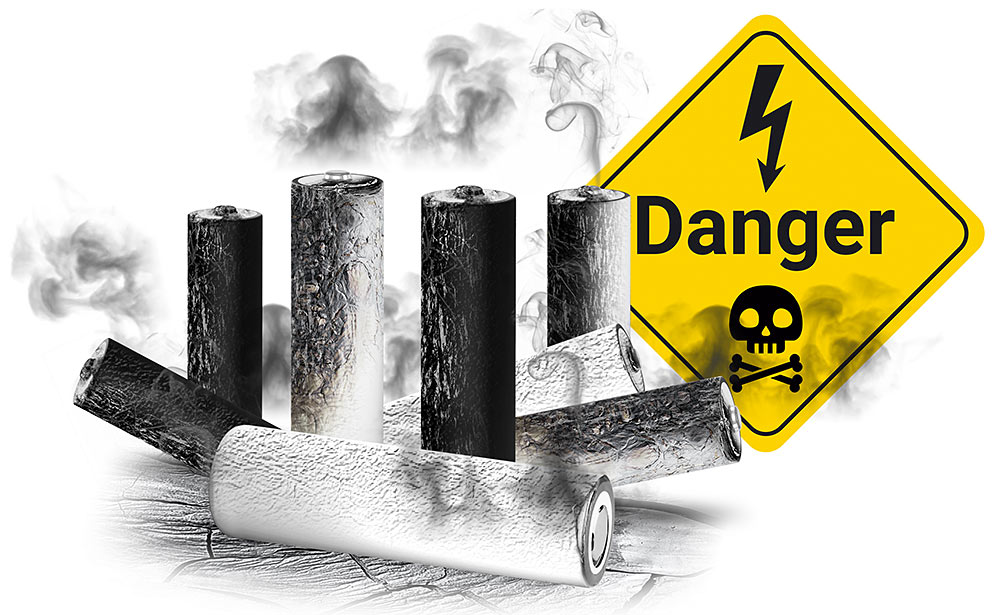
However, the least obvious case is something completely different. When installing a disposable battery or a rechargeable battery in the power compartment or basket, we must realize that unconsciously, we can very easily cause a temporary or even permanent short circuit of our cell.
Sometimes the consequences of such a short circuit can be disastrous - melted plastic, a leaking battery, and if we use e-cigarettes and deal with strong Li-ion 18650 batteries, even the risk of fire explosion.
Why is it so easy to have a moment of inattention and cause a short circuit? Popular batteries and rechargeable batteries are covered with a sleeve and insulating elements that are meant to protect them from accidental short circuits.
However, when we look at these cells without the sleeve, it turns out that there are significant differences between them, and in both cases, potential traps await the user.
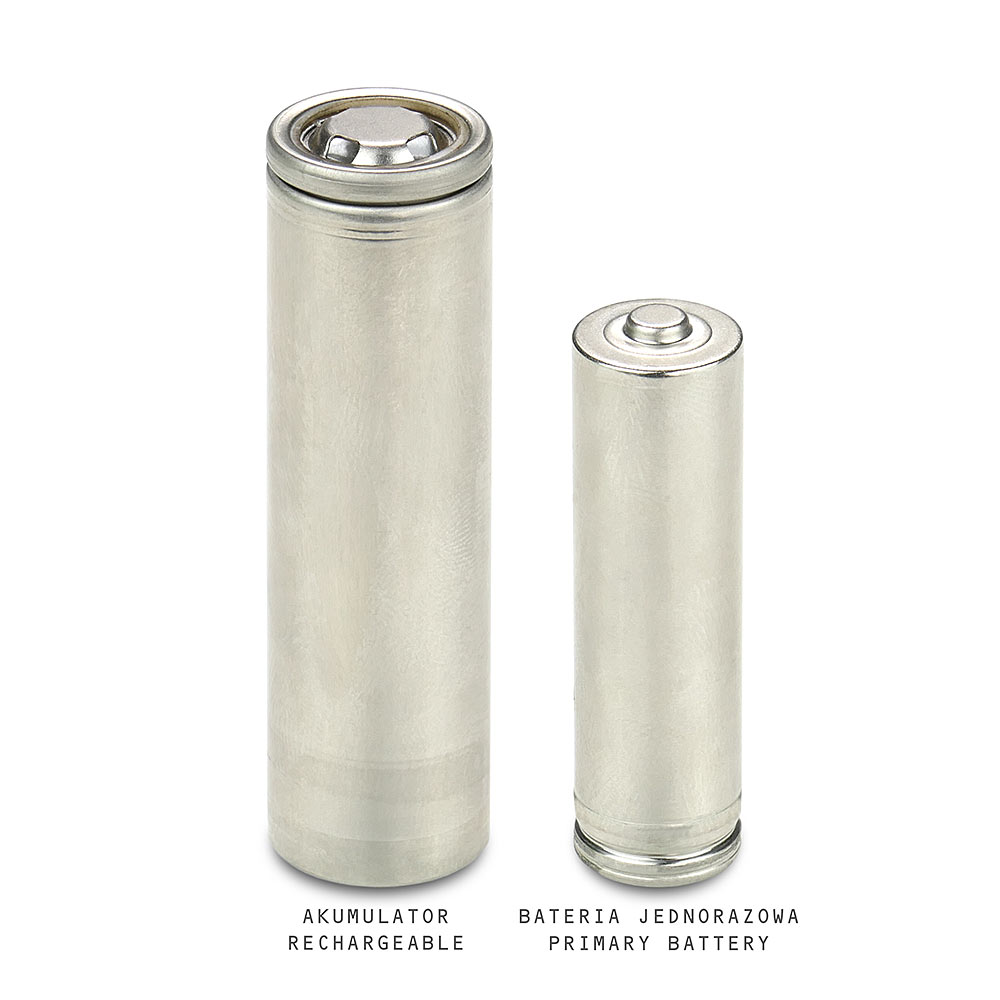
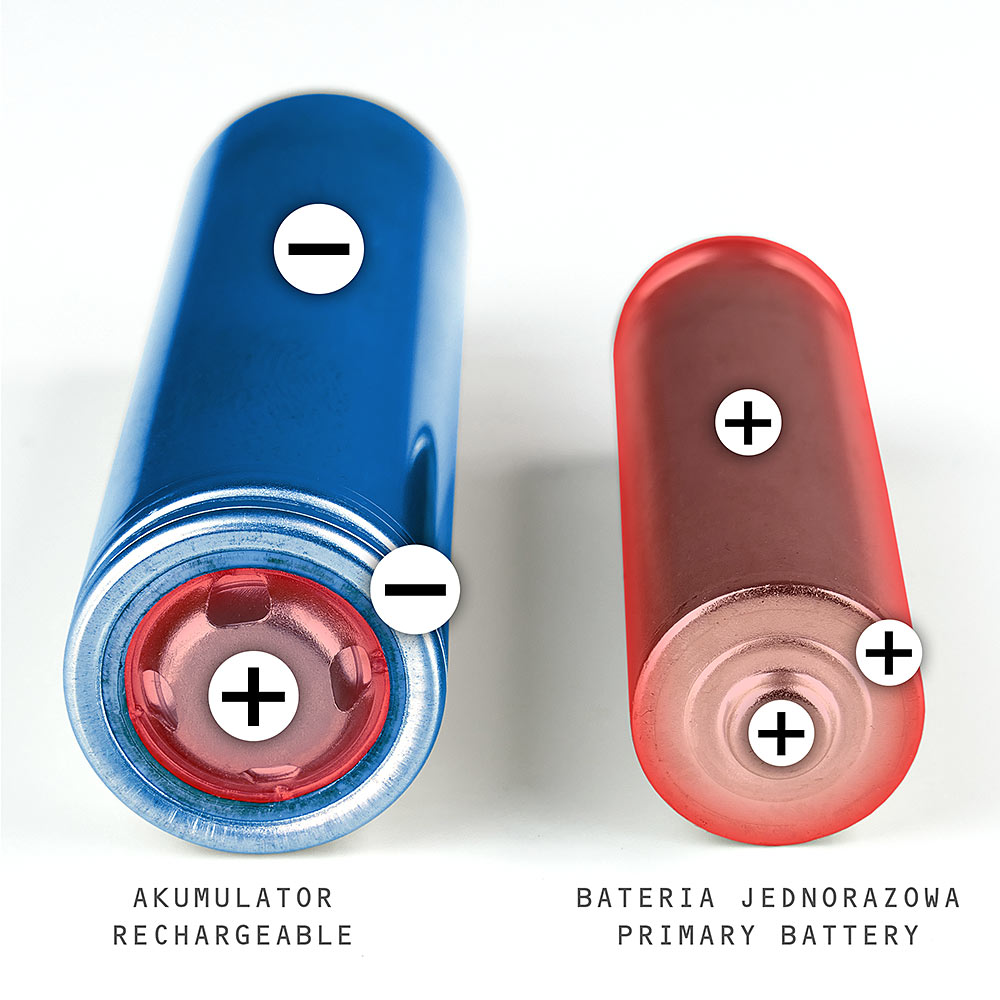
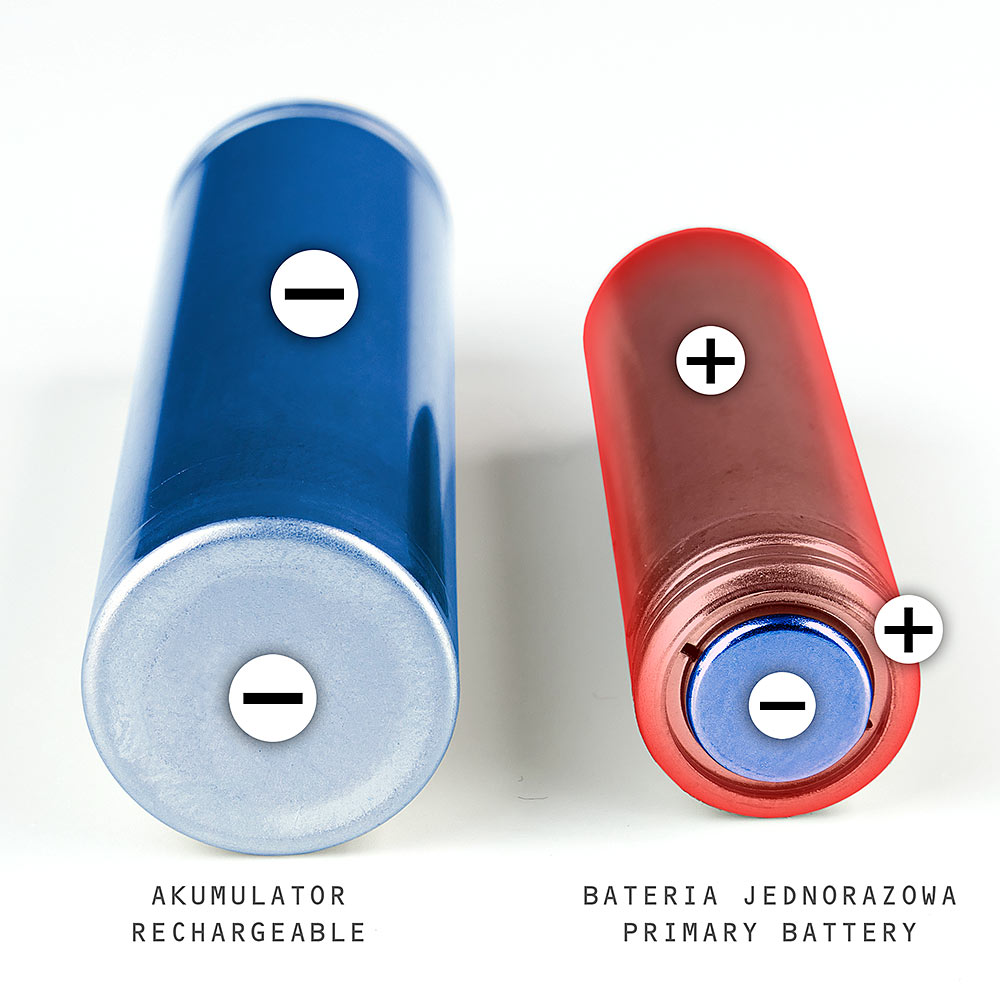
A typical alkaline battery AA/AAA (LR6/LR03) is additionally insulated on the minus side, while most rechargeable batteries, including popular Ni-MH rechargeable batteries or Li-ion 18650 batteries, are insulated on the plus side. Thus, under the sleeve on the side surface of the alkaline battery, we usually have a plus (+), while on the rechargeable batteries, it is (-).
The area that requires special caution is especially around the minus (-) when using an alkaline battery, and the plus (+) when using rechargeable batteries.
When installing an alkaline battery, pay attention to whether the spring / pressure plate on the minus side presses our battery centrally and securely. Make sure that no sharp element, wire, etc. protrudes there that could damage the insulation on the edge of the battery. In the case of significant pressure directly on the edge of the battery from the minus side, we can cause abrasion, damage to the insulation, which leads to a short circuit of that battery - as a result, the battery may refuse to work much faster, prematurely, or even heat up significantly and leak, causing damage. If the battery falls and is deformed or damaged on the minus side, we should not install it in the device at all. It is worth examining a new battery carefully before installation to see if it bears any signs of mechanical damage.
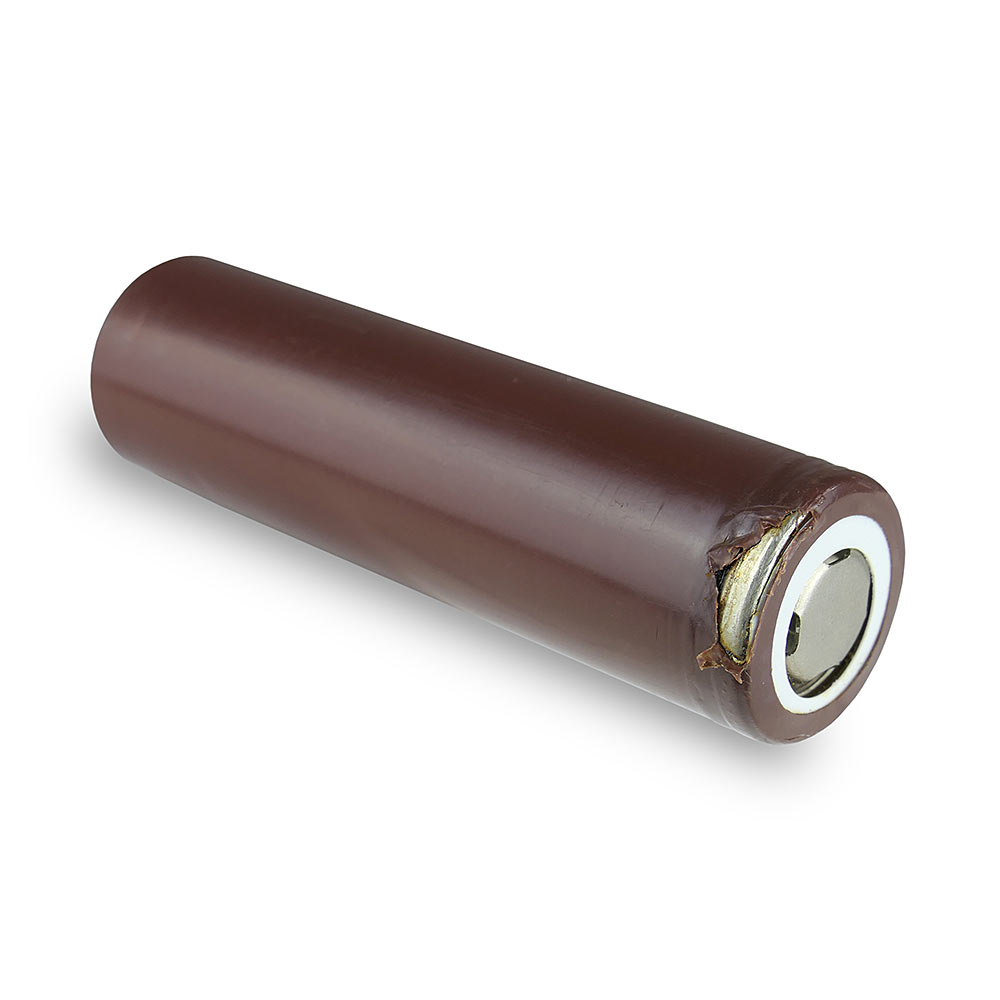
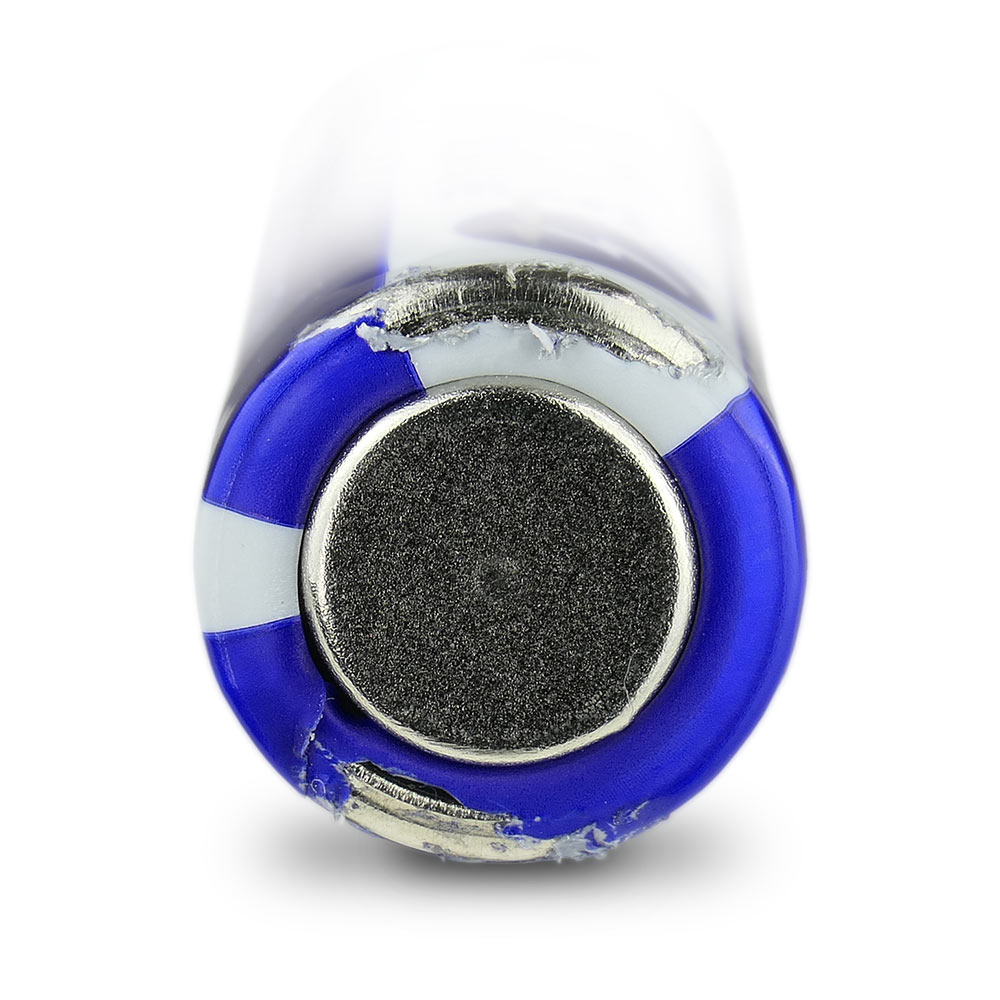
Similar problems may await us when using Ni-MH or Li-ion 18650 rechargeable batteries. However, here the most vulnerable place is the positive (+) terminal of the cell. Before installing the battery, carefully assess the contact point in the power compartment. Is the contact on the plus side of the battery secure, are there any sharp, protruding edges, etc.? Wearing away the insulation around the positive terminal of the rechargeable battery can lead to a short circuit. The consequences of short circuits in rechargeable batteries are usually much more severe than in disposable batteries - they release much more energy, which in extreme cases risks even fire.
Damaged insulation on the side surface of the batteries can also be dangerous - regardless of their position. In a basket where we alternately (series connection) install 2 (or more) batteries next to each other, contact between the side, exposed surfaces will also result in a dangerous short circuit.
Therefore, when our batteries have damaged insulation, especially around the positive terminal, they should not be used.
I hope that these seemingly simple tips will allow you to use your power sources even more fully and consciously.
Author: Michał Seredziński
Copying the content of the article or its parts without the consent of a representative of Baltrade sp. z o.o. is prohibited.